

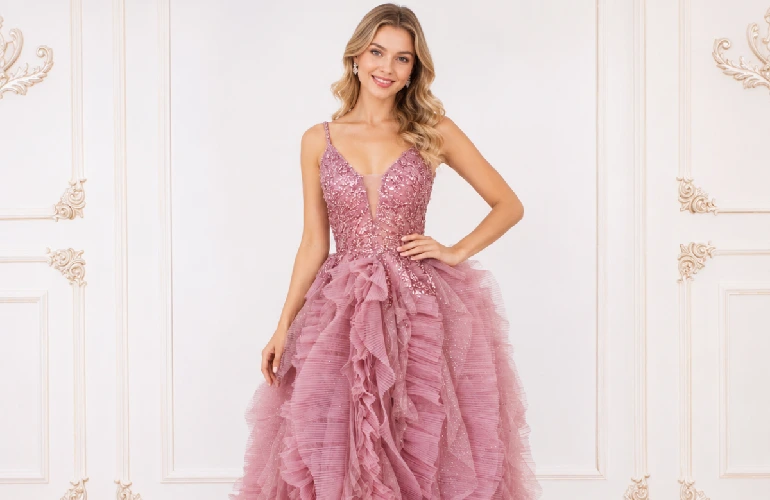
The Art of Finding Dresses You'll Love Wearing Again
Many people experience the familiar routine of buying a dress for an event, wearing it once, and watching it sit forgotten in the back of the closet. The initial excitement fades, leaving a piece that feels limited to a single photo or occasion.
Changing this cycle starts with shifting focus toward outfits that transition easily across seasons, activities, and settings. Finding clothes you want to reach for time after time requires understanding proper fit, versatile design, and individual style preferences.
So, this guide explores practical ways to choose pieces that remain constant favorites in your daily rotation without feeling repetitive.
Evaluating Wardrobe Usability
Building a functional wardrobe often gets disrupted by choices driven by brief trends or specific event dress codes. When shopping for an upcoming gathering, it becomes easy to pick something striking that suits only that exact moment. Later, when looking through available clothes for work, a weekend meal, or a casual afternoon walk, that same option feels out of place.
To avoid this scenario, consider how an item functions beyond a single calendar date. Ask simple questions before making a final selection: Can this piece pair with simple flat shoes as easily as formal footwear? Does it layer comfortably under a simple jacket or an everyday cardigan? Is the cut comfortable enough for hours of sitting, walking, and movement?
Shifting perspective from single-use outfits to multi-use garments changes how you evaluate options on the rack. Rather than focusing solely on immediate visual impact, pay attention to functional details like shoulder structure, waist flexibility, and hemline length.
Outfits constructed with clean lines and balanced proportions adapt far more naturally to varied environments. By selecting options that seamlessly slide into your existing personal collection, you reduce wardrobe friction and ensure every addition earns its spot on the hanger through consistent repeat wear. Choosing items with adaptable qualities forms the foundation of a flexible, dependable, and stress-free personal style.
Furthermore, recognizing personal lifestyle patterns helps filter out impractical choices early. If your average week involves walking, office tasks, and casual gatherings, buying overly restrictive silhouettes creates friction. Focus on items that naturally fit your routine while providing subtle elegance for unexpected events.
Identifying Versatile Silhouettes
Silhouettes play a central role in deciding how often a dress gets worn. Certain cuts carry a timeless structure that works across multiple dress codes, while overly complex structures often restrict usage.
The classic A-line silhouette remains an exceptional choice for flexibility. With a fitted upper section that gently flares outward from the waist, this shape offers physical comfort and visual balance. It works equally well in professional offices, family gatherings, or evening social events.
Similarly, wrap dresses offer adjustable tailoring that adapts to natural body changes throughout the day. The subtle V-neckline and tie waist create a classic outline that pairs smoothly with structural blazers or relaxed outer layers.
Shirt dresses represent another highly adaptable structure. Featuring button-down fronts, structured collars, and optional waist ties, these pieces easily shift from crisp professional attire to relaxed weekend wear.
Unbuttoning a few lower buttons or rolling up the sleeves creates a quick casual feel, while adding a structured belt creates a refined appearance for formal meetings. When reviewing cuts, look for functional design details like adjustable straps, side silts that allow easy movement.
These practical elements ensure the dress feels comfortable during different activities, making you far more likely to select it again when opening your wardrobe each morning. Additionally, midi-length hemlines provide balanced coverage that works seamlessly across different age groups, seasonal shifts, and diverse environments without requiring extra adjustments.
Prioritizing Quality Fabrics and Comfort
Fabric selection dictates both physical comfort and visual appeal over extended periods. Even visually attractive designs will remain hanging on a rod if the material feels scratchy, stiff, or restrictive against the skin.
Natural fibers such as cotton, linen, silk, and wool blends generally offer breathability and comfort. Cotton provides daily durability, making it suitable for casual iterations and warm-weather wear. Linen offers a lightweight texture that excels in summer conditions, relaxing into a soft drape after repeated washing.
For cooler months, fine wool blends and heavier knit cottons keep you comfortable while maintaining a tidy shape. Synthetic blends also offer practical benefits when properly constructed. Rayon, viscose, and modal fabrics deliver a smooth drape and soft texture that mimics natural silk while offering easier maintenance.
A small percentage of elastane added to woven fabric provides gentle stretch, allowing the garment to move naturally with your body throughout long hours. When evaluating fabric quality in store or online, check the weight and weave density. Hold the material up to light to see if it is sheer, which might require additional lining layers.
Feel the inside seams to ensure they are smooth and well-finished to prevent skin irritation. Selecting fabrics that feel good against the skin ensures high frequency of wear, turning everyday dresses into wardrobe staples. Moreover, wrinkle-resistant fabrics simplify daily preparation, saving time while ensuring a polished appearance from morning to evening.
Choosing Color Palettes and Patterns with Longevity
Color choices directly tend to influence how easily a dress merges into your broader wardrobe. While bold graphics and bright shades can be fun, neutral tones and soft subtle prints often offer greater long-term flexibility.
Neutral shades such as navy blue, rich olive, soft taupe, classic black, and warm cream serve as solid anchors. These colors layer effortlessly with existing jackets, cardigans, and footwear options. A simple navy dress can be worn with a tan trench coat for morning errands, styled with a dark structured jacket for office meetings, or paired with metallic accessories for an evening meal.
If you prefer patterns, look for classic prints with scaled-down proportions. Subtle pin dots, thin vertical stripes, soft florals, and monochromatic geometric patterns add visual interest without locking the piece into specific trend cycle. Small-scale patterns also disguise minor spills or wrinkles better than solid light fabrics, adding an extra layer of practicality to your daily routine.
When picking colorful options, choose shades that complement your skin tone and pair well with at least three other items you already own. If an option requires purchasing entirely new shoes, bags, or outer layers just to complete an outfit, it may end up sitting unused. Strategic color selection makes styling quick, intuitive, and efficient.
Additionally, timeless hues withstand shifting seasonal trends, remaining relevant year after year across various settings and social gatherings.
Strategic Styling Techniques for Repeat Wear
Transforming the appearance of a single dress relies on thoughtful styling techniques. By altering accessories, footwear, and outer layers, one base garment yields multiple distinct looks suited for entirely different settings.
Outerwear provides an immediate shift in tone. Layering a structured blazer over a midi dress creates an office-ready outfit. Replacing that blazer with an oversized denim jacket or a chunky knit sweater converts the same dress into a relaxed weekend outfit. Sweaters placed directly over a dress effectively turn the bottom skirt portion into an entirely new bottom layer.
Footwear choices also redefine the overall vibe. Pairing a dress with clean sneakers offers an athletic aesthetic suitable for travel or running errands. Transitioning to leather ankle boots creates an autumn-ready look, while simple sandals keep things effortless in warmer conditions. Belts, scarves, and jewelry offer further customization, adding visual definition without altering the core structure.
Tailoring and Maintenance for Extended Use
Small alterations significantly impact how often a dress gets worn. Simple adjustments like hem shortening, sleeve tapering, or taking in the waist ensure the garment flatters your natural proportions. Clothes that fit properly eliminate continuous tugging and readjustments, making them far more enjoyable to wear during busy days.
Proper maintenance preserves fabric integrity over time. Following garment maintenance labels, washing in cold water on gentle cycles, and air-drying prevents shrinking and color fading. Storing dresses on padded hangers maintains their original shape, ensuring they remain ready for immediate wear whenever needed.
Building a Sustainable Wardrobe Routine
Building a collection of clothing that brings lasting satisfaction comes down to intentional choices rather than impulse purchasing. Focusing on adaptable silhouettes, comfortable fabrics, balanced color palettes, and flexible styling potential transforms how you view your wardrobe.
Instead of viewing dresses as single-use garments meant for specific photos, see them as dependable foundation pieces capable of evolving with your schedule. By choosing items that align with your lifestyle and physical comfort, you create an effortless closet filled with clothes you look forward to wearing repeatedly across seasons, events, and years to come.